
Micro Resorts as an Asset Class: A Passive Investor’s Guide to Boutique Hospitality
As population growth, tourism, and lifestyle migration accelerate across the Southeastern United States, passive investors are increasingly looking beyond traditional multifamily and single-family rentals. One niche gaining traction—particularly in high-growth Sun Belt markets—is micro resort investing.
In states like Texas and Florida, micro resorts sit at the intersection of strong travel demand, favorable demographics, and alternative real estate returns—making them an attractive option for passive investors seeking diversification, income, and long-term appreciation.
What Is a Micro Resort?
A micro resort is a small-scale hospitality property—typically 5 to 30 units—located in high-demand leisure or lifestyle destinations. In the Southeast, these properties often include:
Boutique cabins, villas, or luxury tiny homes
Shared amenities such as pools, fire pits, spas, or wellness spaces
Strong architectural branding tailored to coastal, hill country, or nature-forward environments
Professional third-party management
Unlike traditional hotels, micro resorts emphasize experience, privacy, and design, allowing operators to charge premium nightly rates while maintaining lean operations.
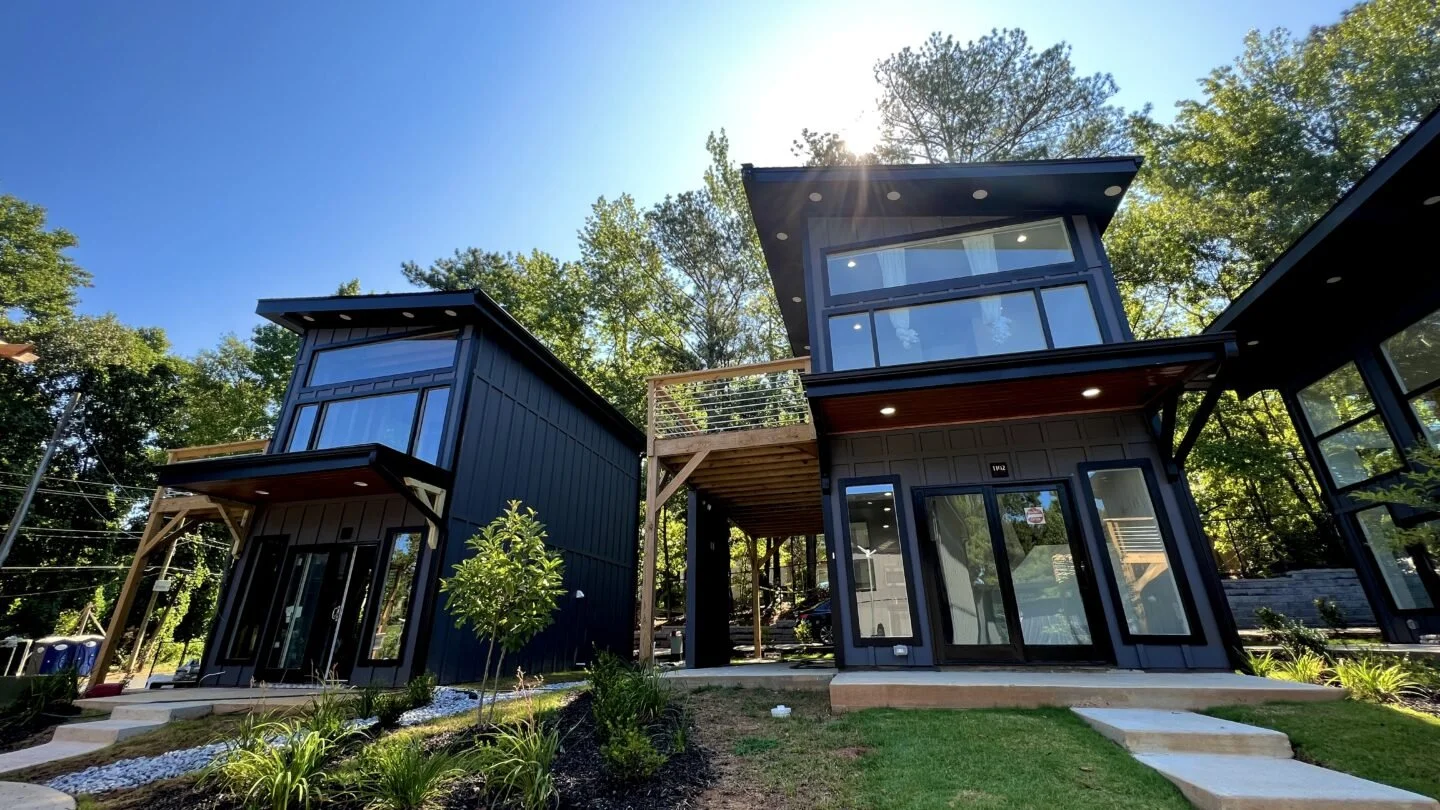
Why Texas and Florida Are Ideal Micro Resort Markets
1. Strong, Year-Round Leisure Travel Demand
Texas and Florida benefit from diverse and resilient tourism drivers, including:
Beach and coastal travel
Outdoor recreation and nature tourism
Festival, event, and weekend-drive markets
Snowbird and extended-stay demand
Florida’s coastal destinations and Texas markets such as the Hill Country, Gulf Coast, and lake regions support high occupancy across multiple seasons, reducing reliance on a single demand cycle.
2. Population Growth and Lifestyle Migration
Both states continue to experience outsized population growth driven by:
Inbound migration from high-cost states
Remote work flexibility
Favorable tax environments
This migration fuels demand not only from tourists but also from visiting friends and relatives (VFR travel), corporate retreats, and short-term lifestyle stays—key demand segments for micro resorts.
3. Favorable Investment Fundamentals
From an investor standpoint, Texas and Florida offer several structural advantages:
No state income tax
Business-friendly regulatory environments
Strong short-term rental demand in leisure-oriented submarkets
Ongoing infrastructure and tourism investment
For passive investors, these fundamentals support both cash flow and long-term asset appreciation.

Why Micro Resorts Appeal to Passive Investors in the Southeast
Higher Revenue Potential Than Traditional Rentals
In leisure-driven markets across Texas and Florida, micro resorts often outperform long-term rentals and single-unit short-term rentals on a per-unit revenue basis due to:
Dynamic hospitality pricing
Experience-driven rate premiums
Group bookings, retreats, and event revenue
This structure can result in higher distributable cash flow compared to stabilized residential assets in the same markets.
Designed for Hands-Off Ownership
Micro resorts are intentionally built for professional, centralized management, making them well-suited for passive investors who want exposure to hospitality returns without operational involvement.
Most projects include:
Automated booking and pricing systems
Standardized unit designs
On-site or regional management teams
This removes the friction commonly associated with individual short-term rental ownership.
Portfolio Diversification Benefits
Micro resorts provide diversification beyond traditional real estate sectors such as multifamily, office, or industrial. In Texas and Florida specifically, hospitality demand is driven by tourism, lifestyle travel, and population inflows, which differ from workforce housing or employment-based leasing cycles.
For passive investors, this creates an opportunity to add non-correlated income exposure within a broader real estate portfolio.
Risk Considerations in Texas and Florida Markets
Key risks include seasonality, weather exposure, and operational execution. Well-structured micro resort investments mitigate these risks through:
Geographic and demand diversification
Conservative underwriting and reserves
Insurance and storm-hardened construction standards
Experienced hospitality operators familiar with regional markets
Location selection is critical, with successful projects typically located in supply-constrained leisure submarkets rather than dense urban cores.
Why Timing Matters Now in the Southeast
Several trends make micro resort investing particularly compelling in Texas and Florida today:
Limited new boutique hospitality supply
Rising construction costs creating barriers to entry
Continued strength in domestic leisure travel
Growing investor interest in alternative real estate yield
As institutional capital increasingly explores boutique and lifestyle hospitality, early passive investors may benefit from pricing inefficiencies and first-mover advantages in select Southeastern markets.
Final Thoughts for Passive Investors
Micro resorts represent a compelling evolution of hospitality real estate—especially in high-growth, tourism-driven states like Texas and Florida. When paired with strong operators and disciplined underwriting, these assets can offer:
Attractive cash flow potential
Portfolio diversification
Exposure to long-term Sun Belt growth trends
For passive investors seeking alternatives to traditional multifamily or scattered short-term rentals, micro resorts in the Southeast deserve serious consideration.